Oman Guide: 7 Days, Long Drives, and a Plankton-Focused Route
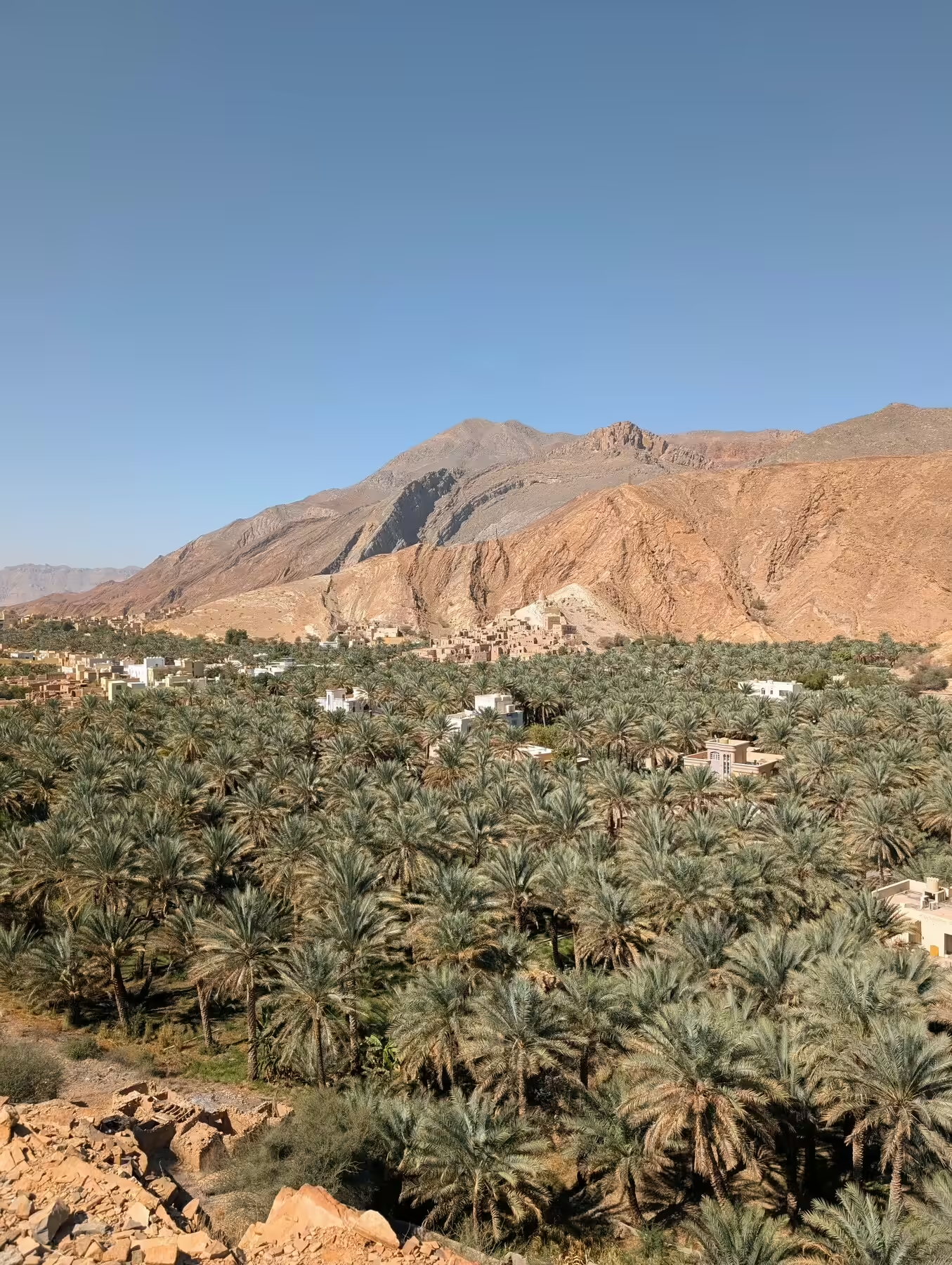
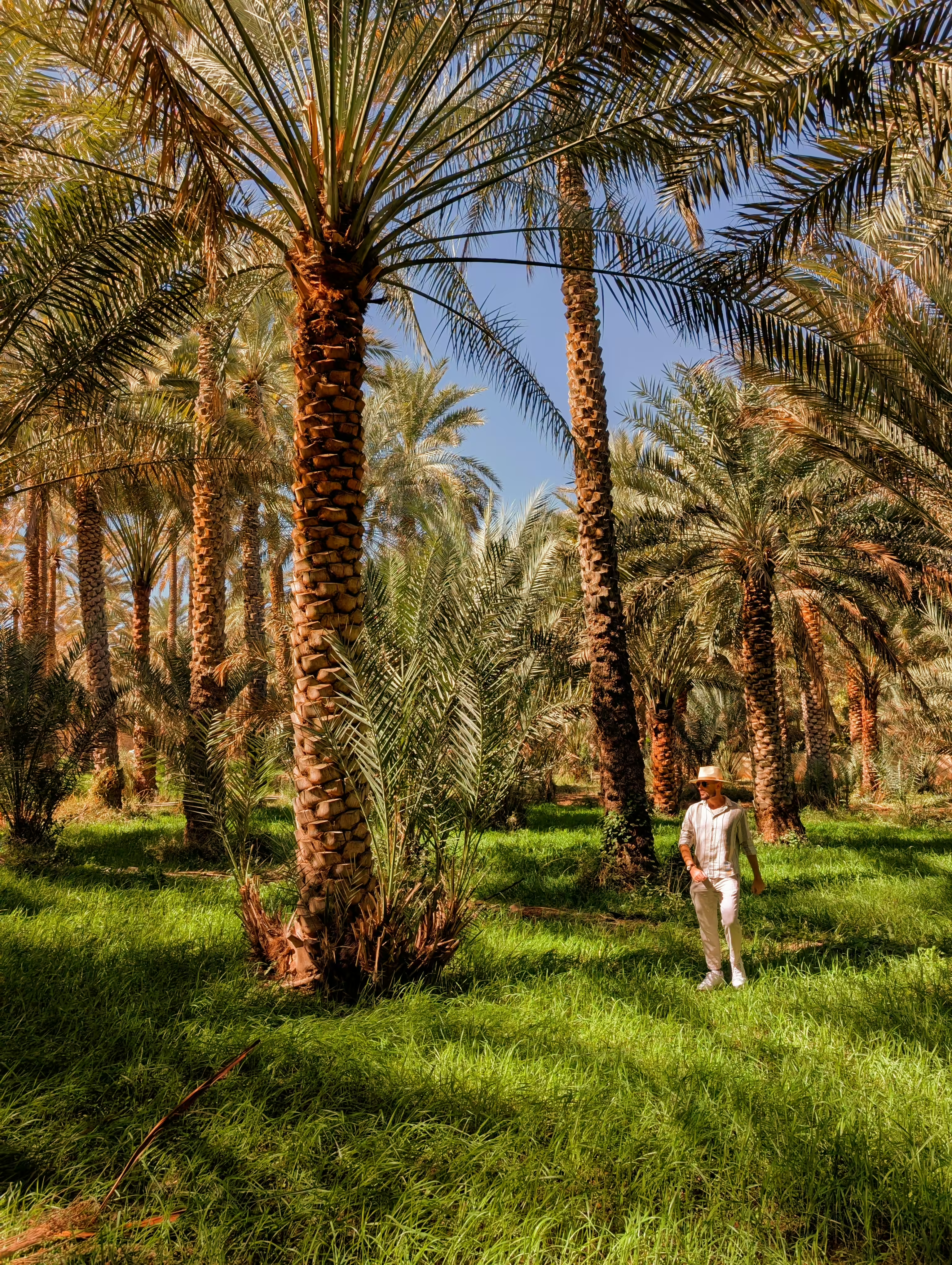
For the Birkat Fort and oasis view, this is the exact lookout point: 22.9226152, 57.6772564 (Plus Code: WMFG+2WR, Birkat Al Mouz). Map link: Overlook spot.
Looking specifically for glowing water at night? Read the focused guide: Oman bioluminescence: where to see glowing water.
Why Oman Was Cheaper Than Expected
One important thing about Oman: it is still less "mainstream" than many classic winter destinations. That alone keeps prices lower than most people expect. In short, Oman is still underrated, and this creates a real value window for people who plan early and avoid peak-luxury habits.
For us, this was the key: smart flight timing, Booking discounts, and practical daily spending instead of premium experiences every day. Even with a full week, a car, and many kilometers on the road, the final budget stayed very reasonable for two people.
Pegasus From Europe: One of the Easiest Budget Entry Points
If you travel from Europe, Pegasus can be a huge advantage. From cities like Berlin it is often one of the easiest low-cost ways to reach routes across the Middle East and Central Asia, including destinations linked to broader historical Turkish influence in the region. On this trip we saw Oman around EUR 150 (650 PLN) per person, and on a previous run we caught Kyrgyzstan around EUR 115 (500 PLN), while regular pricing is often closer to EUR 465 (2000 PLN).
Another unexpected bonus: these routes are popular among experienced travelers looking for value. It is common to meet people who have visited 50+ countries. Once we even flew with a grandmother from Poznań who had already visited over 140 countries. So besides cheap tickets, you can also get genuinely interesting travel conversations.
Real Logistics: What Makes or Breaks This Trip
The key decision is not hotel category, but transport setup. We took a rental car for the full week, and that gave us flexibility, but the 1200 km limit became the biggest operational constraint. If you like spontaneous detours and evening drives, a strict mileage cap will shape your trip more than you think.
Our daily average was around 100 km, and some days it was more. Because of that, we had to cut selected points we originally wanted to include. If someone plans Wadi areas plus coast plus night sessions, it is better to prepay for a higher mileage package than to optimize every evening under pressure.
Hotel Base and Daily Rhythm
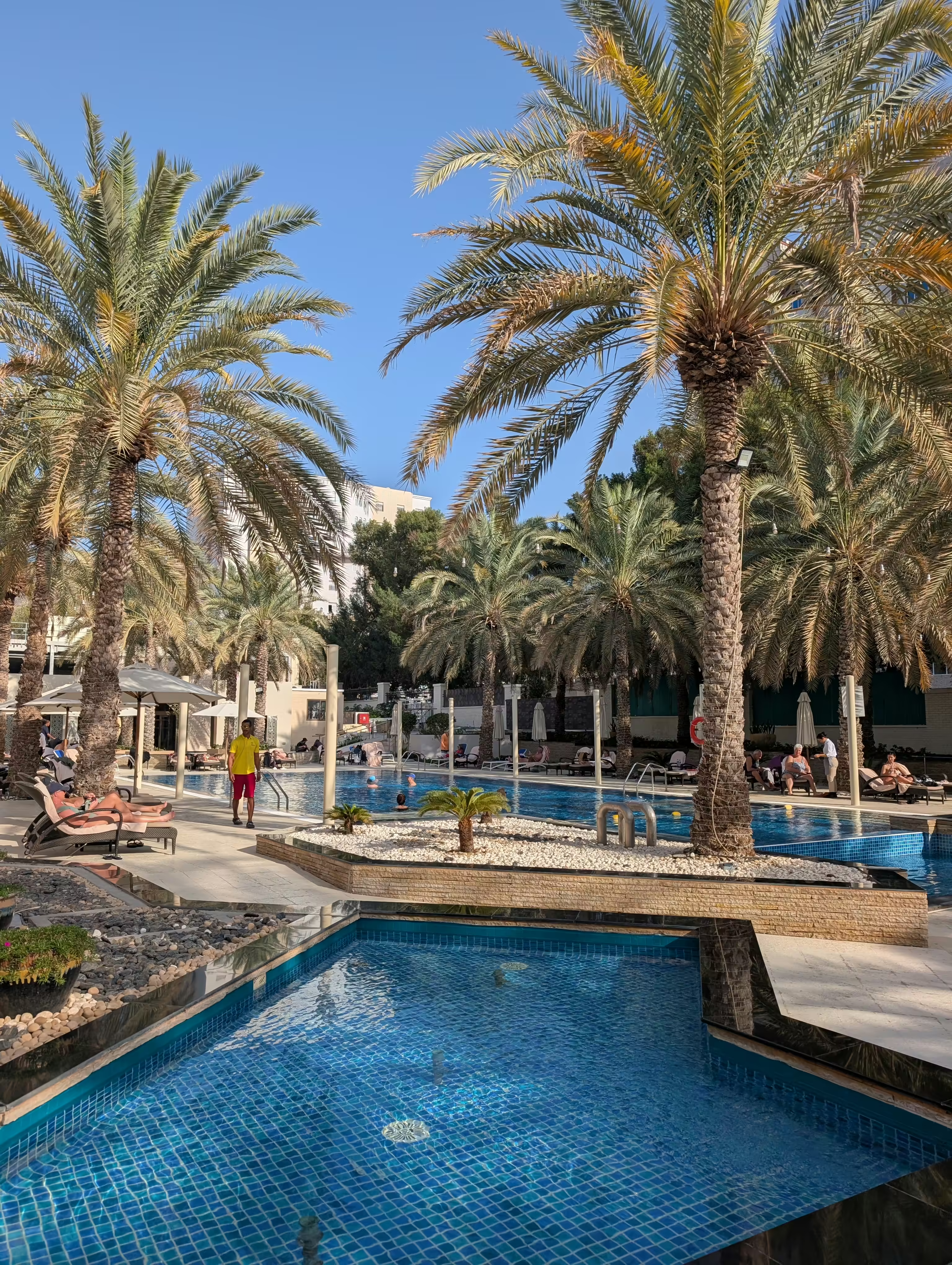
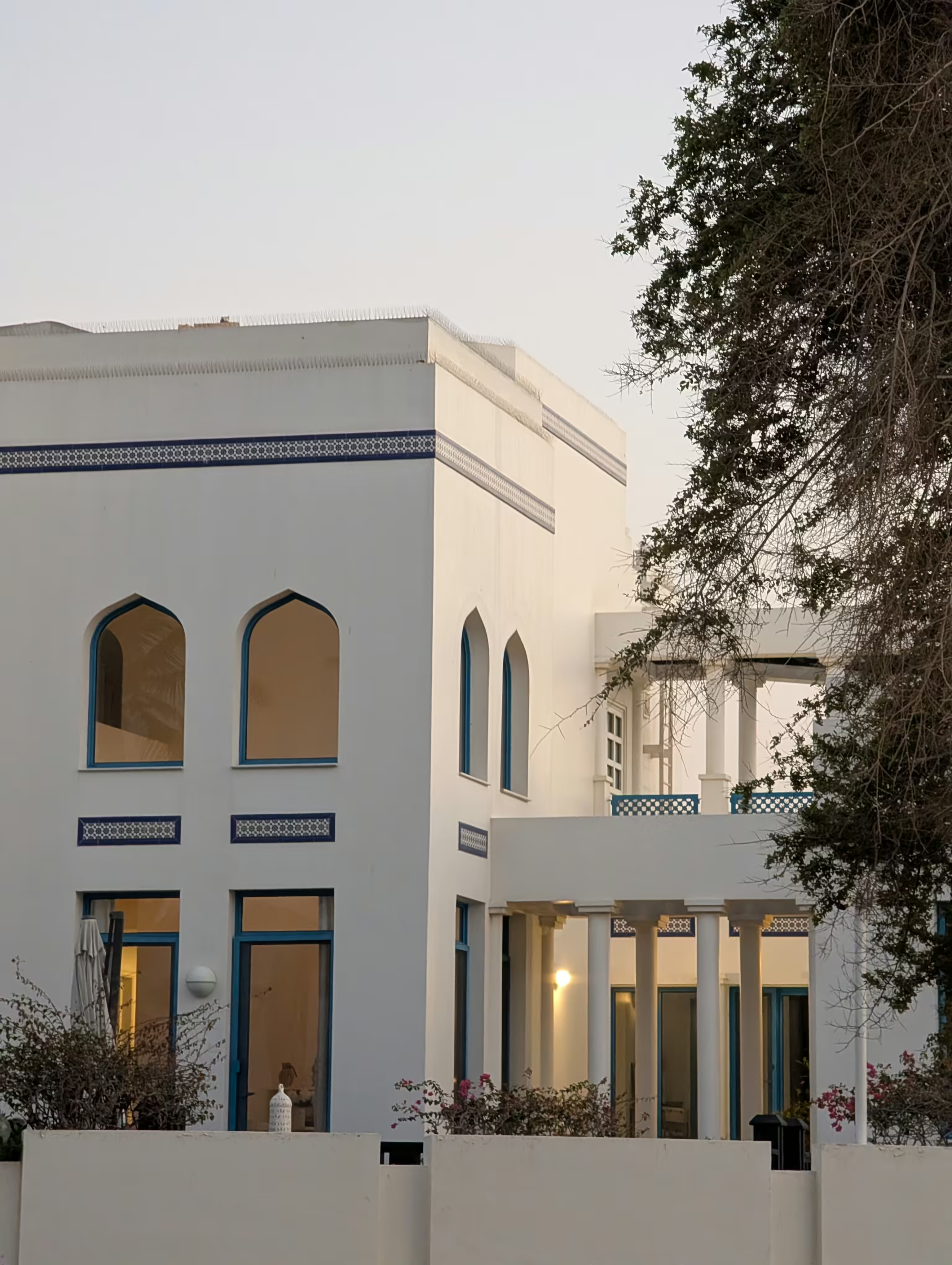
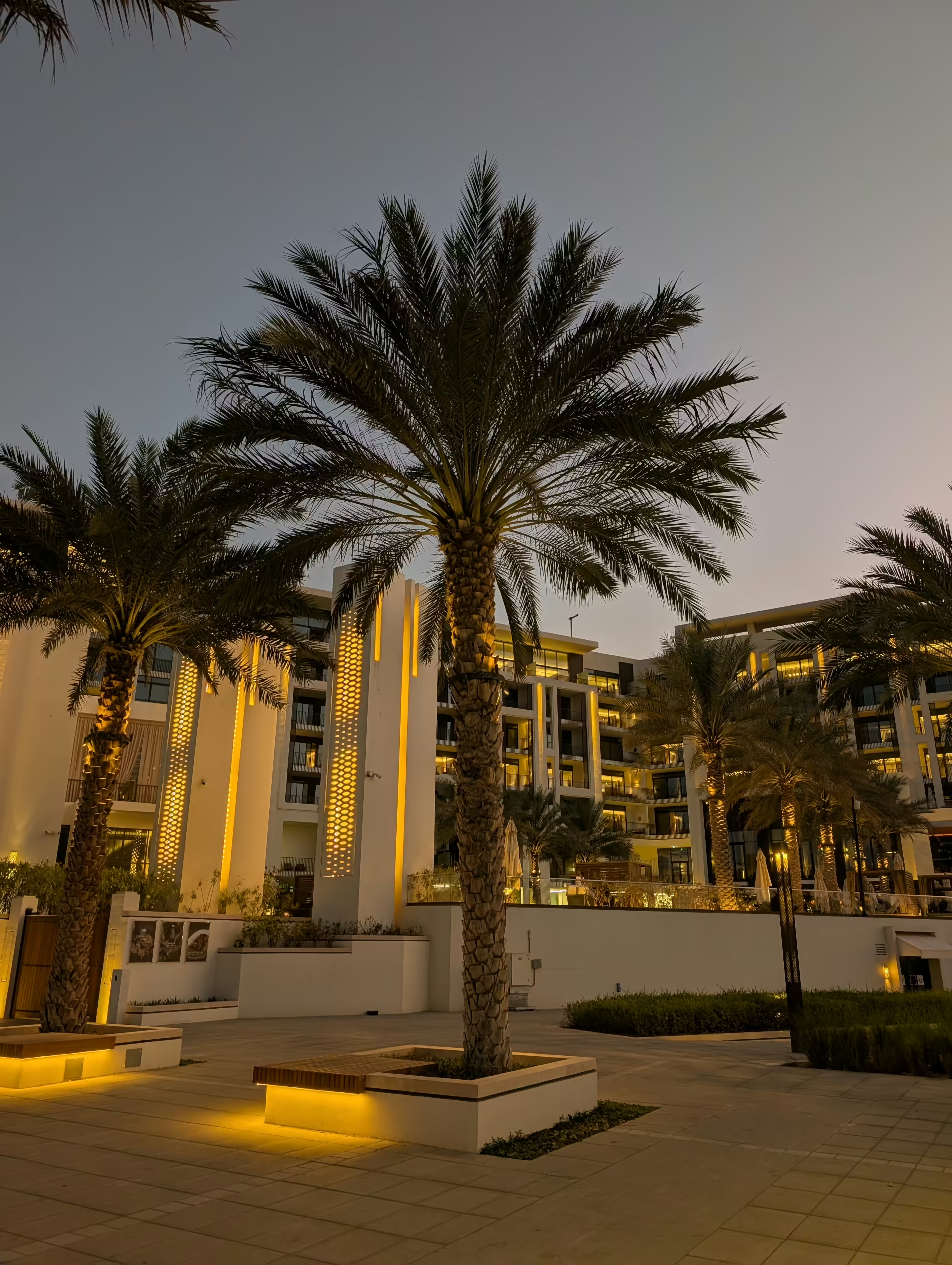
Only the first photo in this block is Sheraton. It was our base: Sheraton Oman Hotel, 40 Way, Muscat 112, Oman (Ruwi area). The other two show hotels near the main city beach area in Muscat. Sheraton worked as a practical base for this style of trip: not ultra-luxury, but stable and comfortable enough to reset after long days. Service was good overall. One caveat: the incense smell was intense across the hotel, especially in the lobby with many lilies, and in practice it was hard to avoid.
The most efficient rhythm in Oman was: early start, drive-and-stop during daylight, short rest, then evening movement again. That format gave us enough time for sightseeing and still left room for our main mission at night.
One more thing that stood out immediately: Oman was the cleanest country I have visited so far, out of 65 in total. I have been to places widely considered very clean, like Singapore and Dubai, but in my experience they still do not match Oman. Even in regular residential blocks, I could not find litter, and public greenery looked consistently maintained. In Dubai, especially in densely populated worker-heavy districts, the contrast was clear: more crowding and visible mess. Even Dubai in 2016 did not feel as clean as Oman in 2025.
The Main Theme: Bioluminescent Plankton
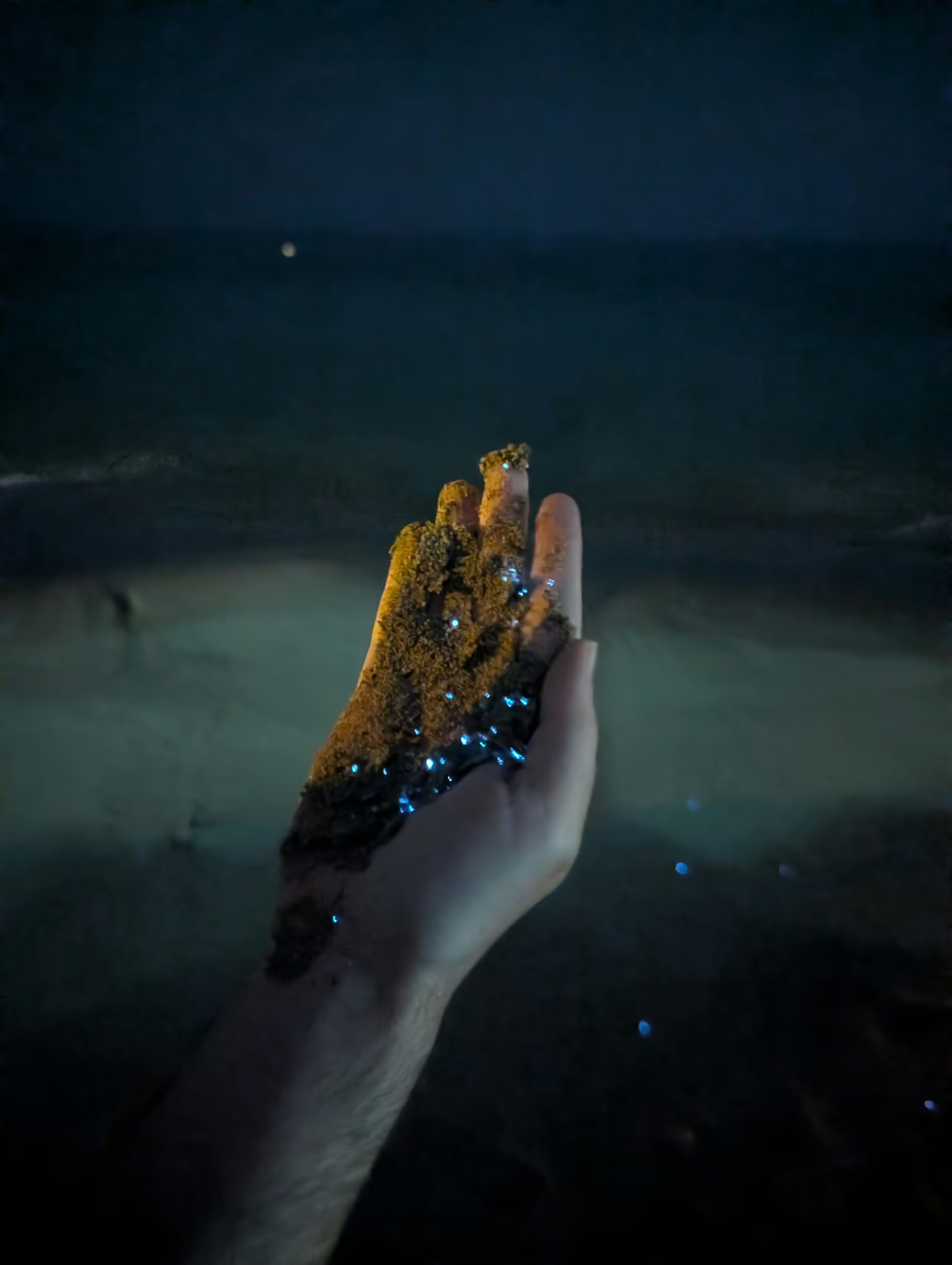
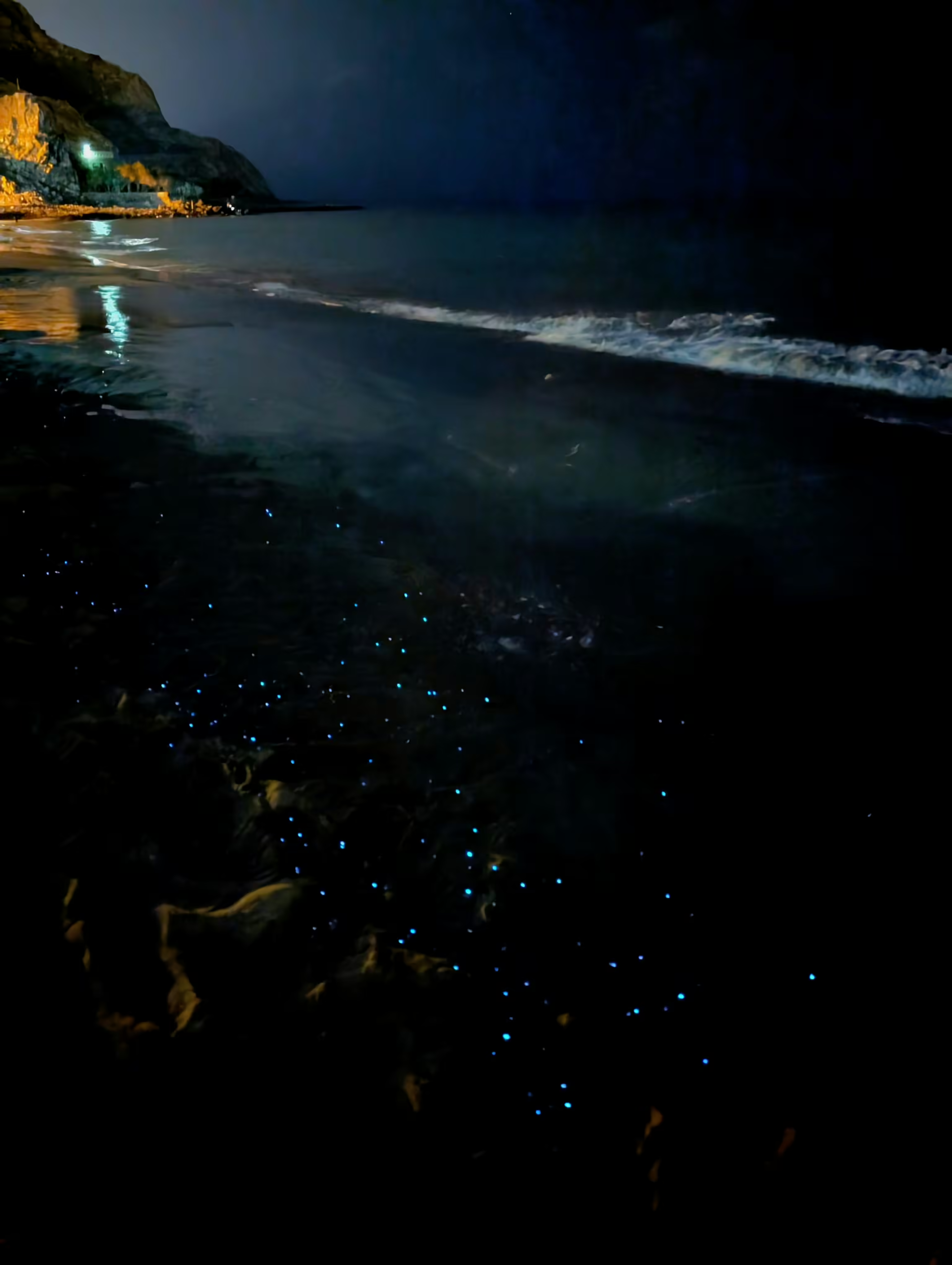
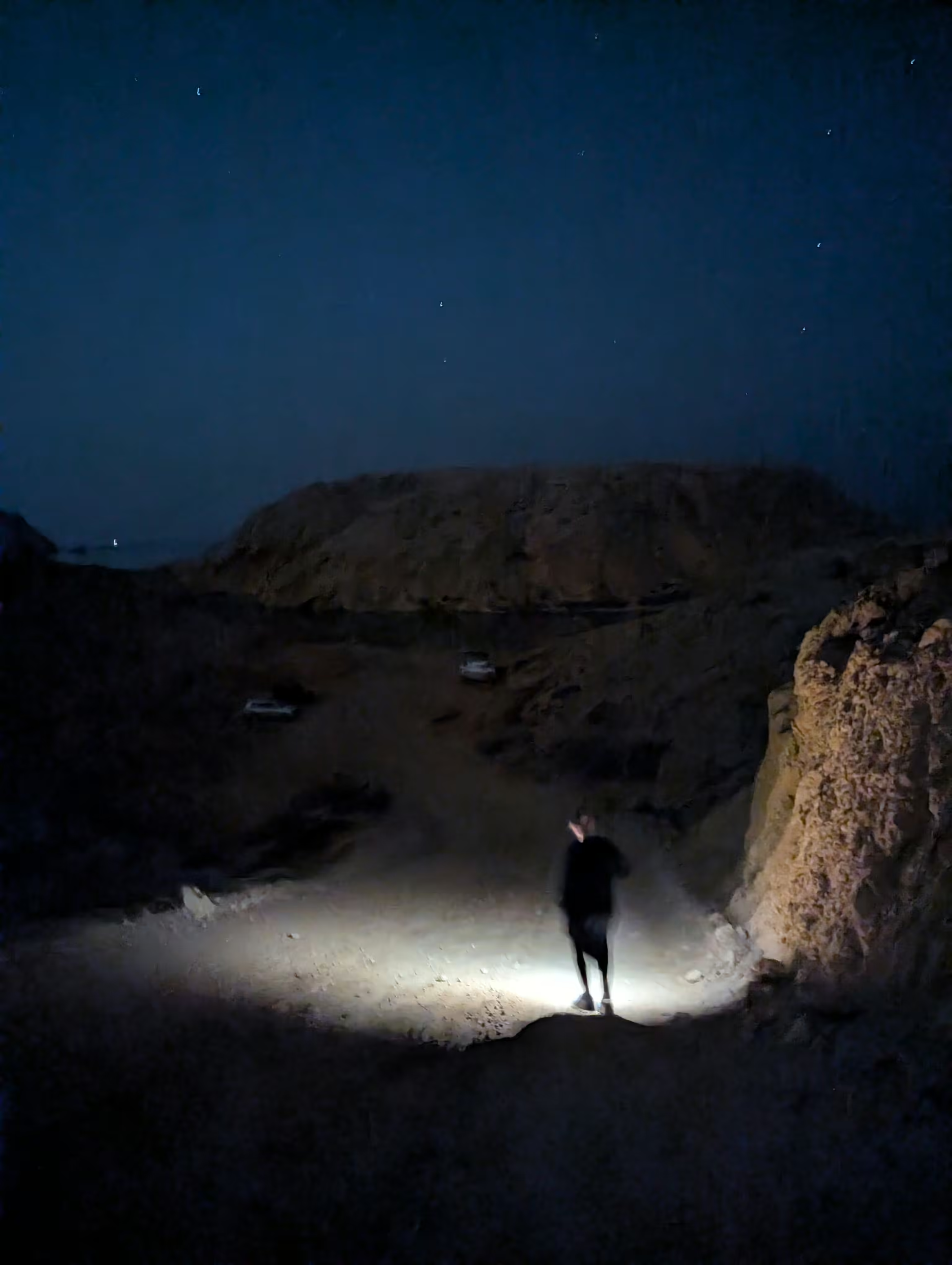
What started as an extra idea became the center of the trip: searching for glowing plankton. That changed everything, including route logic, energy management, and mileage usage. When nights are active, you cannot plan daytime like a normal sightseeing schedule.
For anyone planning the same objective: leave margin in both kilometers and sleep. Do not overpack your daytime list. In practice, one strong daytime block plus one focused evening block worked much better than trying to max out both.
Road to Plankton: Donkeys and Al Bustan Viewpoint
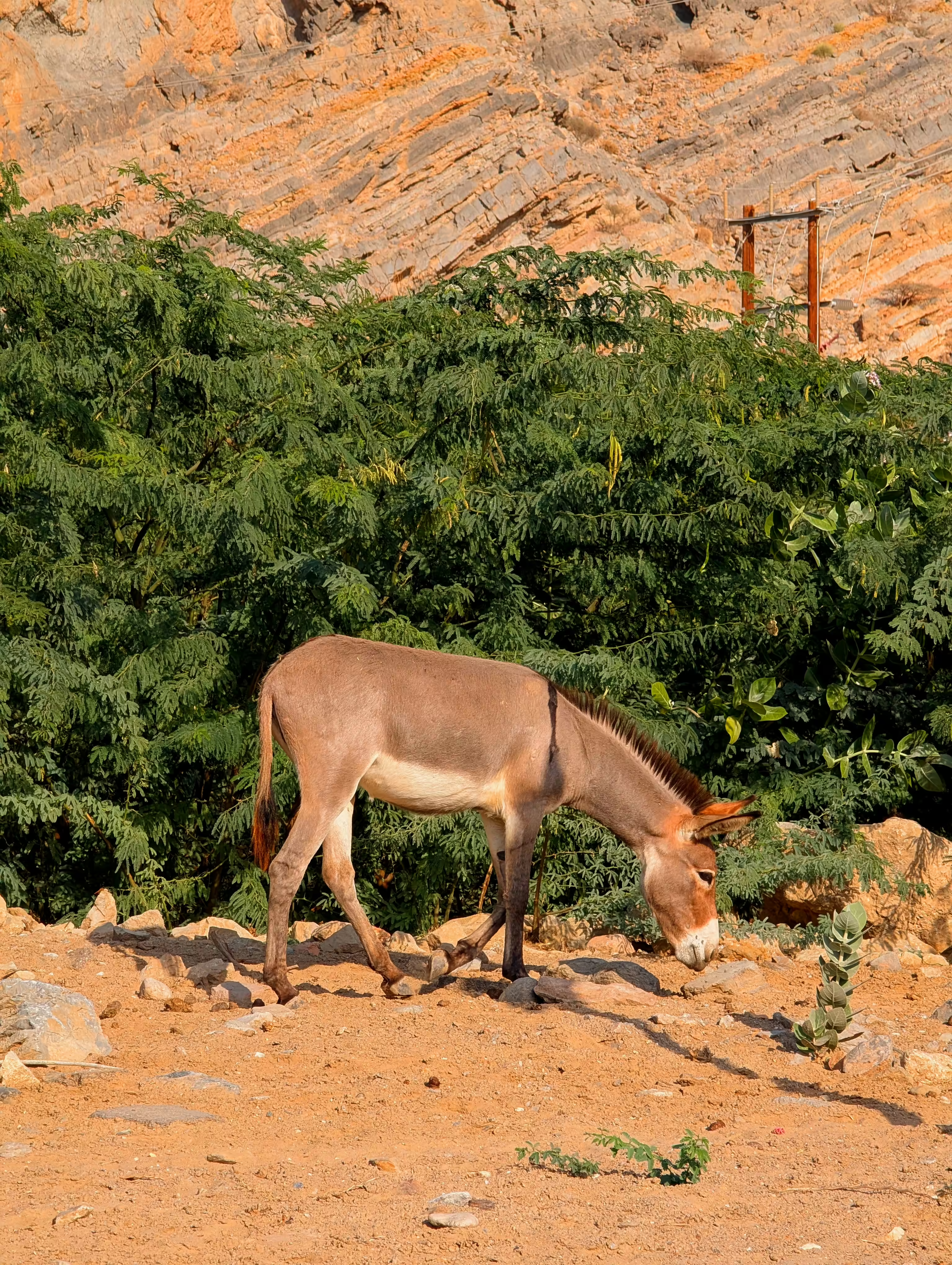
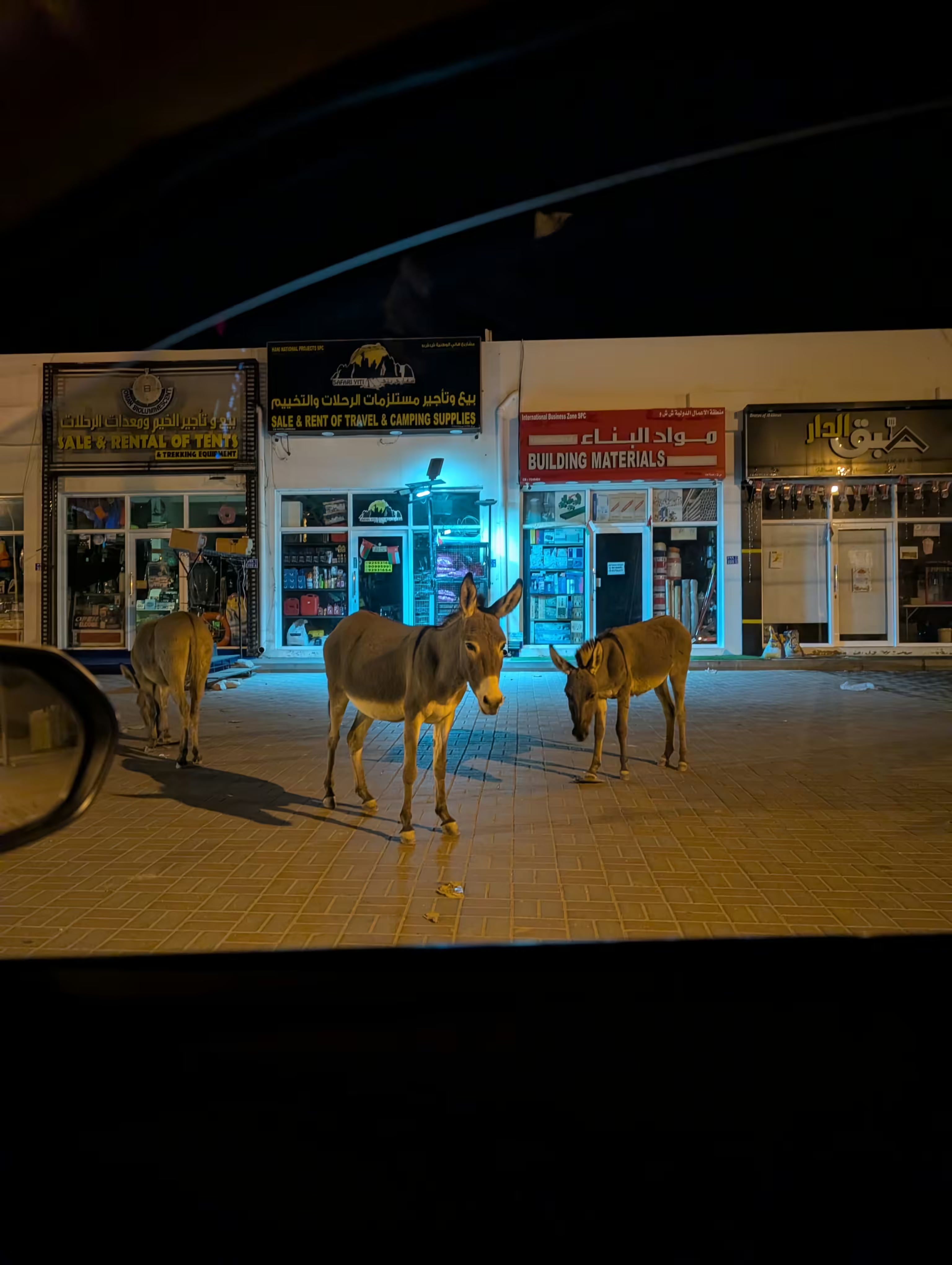
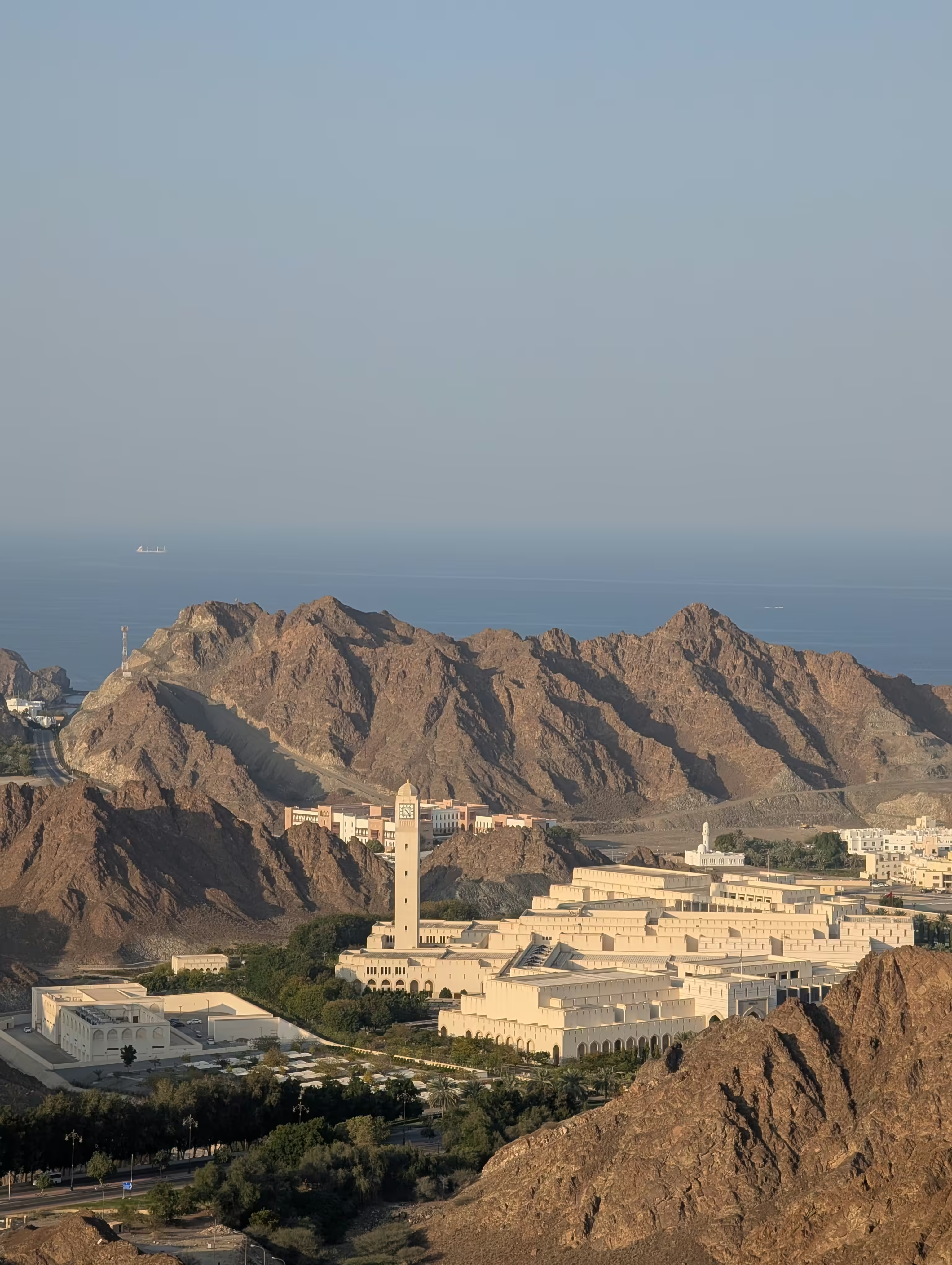
All three shots above are from the route to our plankton spots. We passed the same coastal corridor in daylight and at night, with random donkey encounters on the way and a strong stop at Al Bustan Viewpoint before evening sessions.
Nizwa Old Town: History and Huge Potential
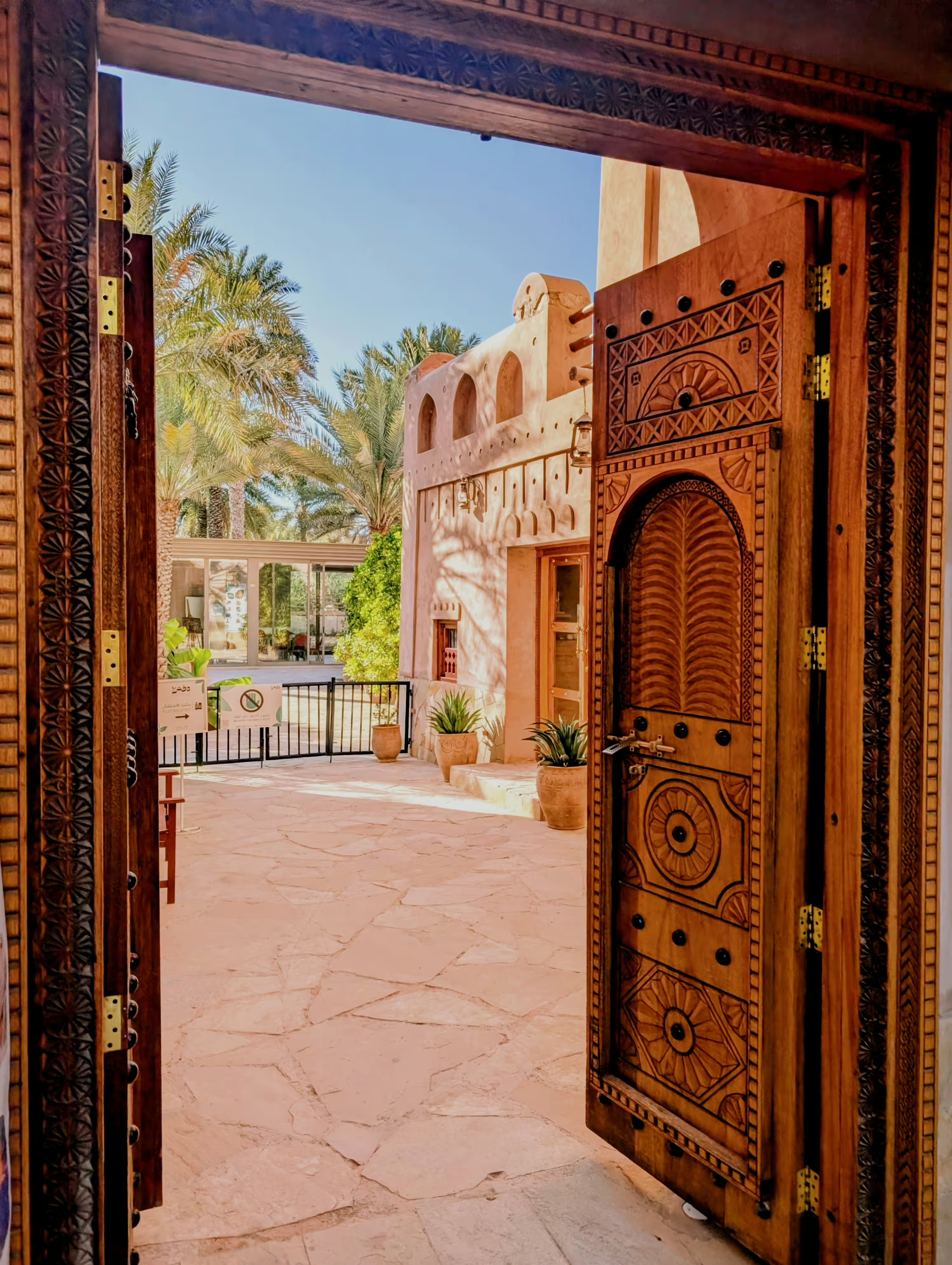
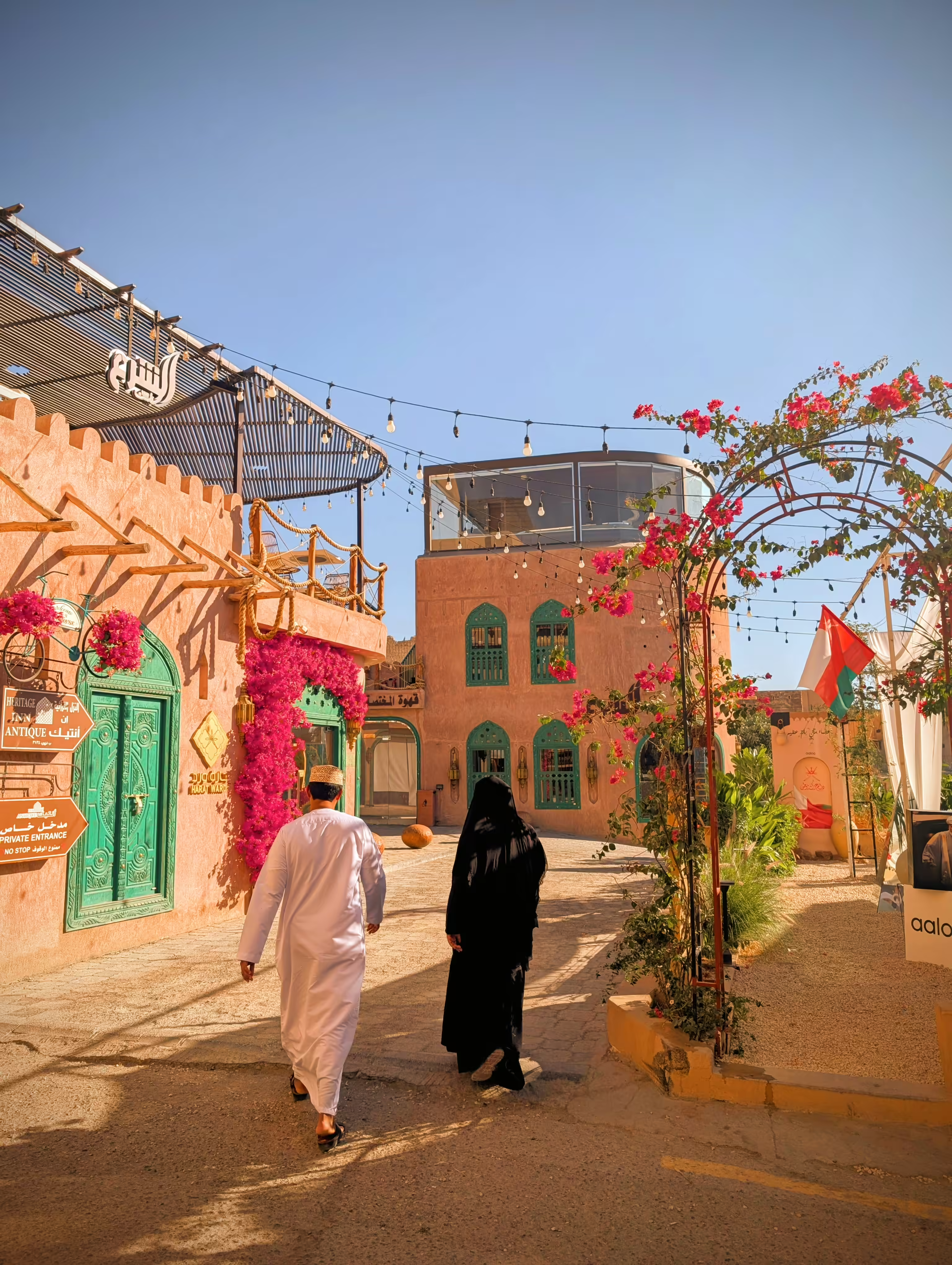
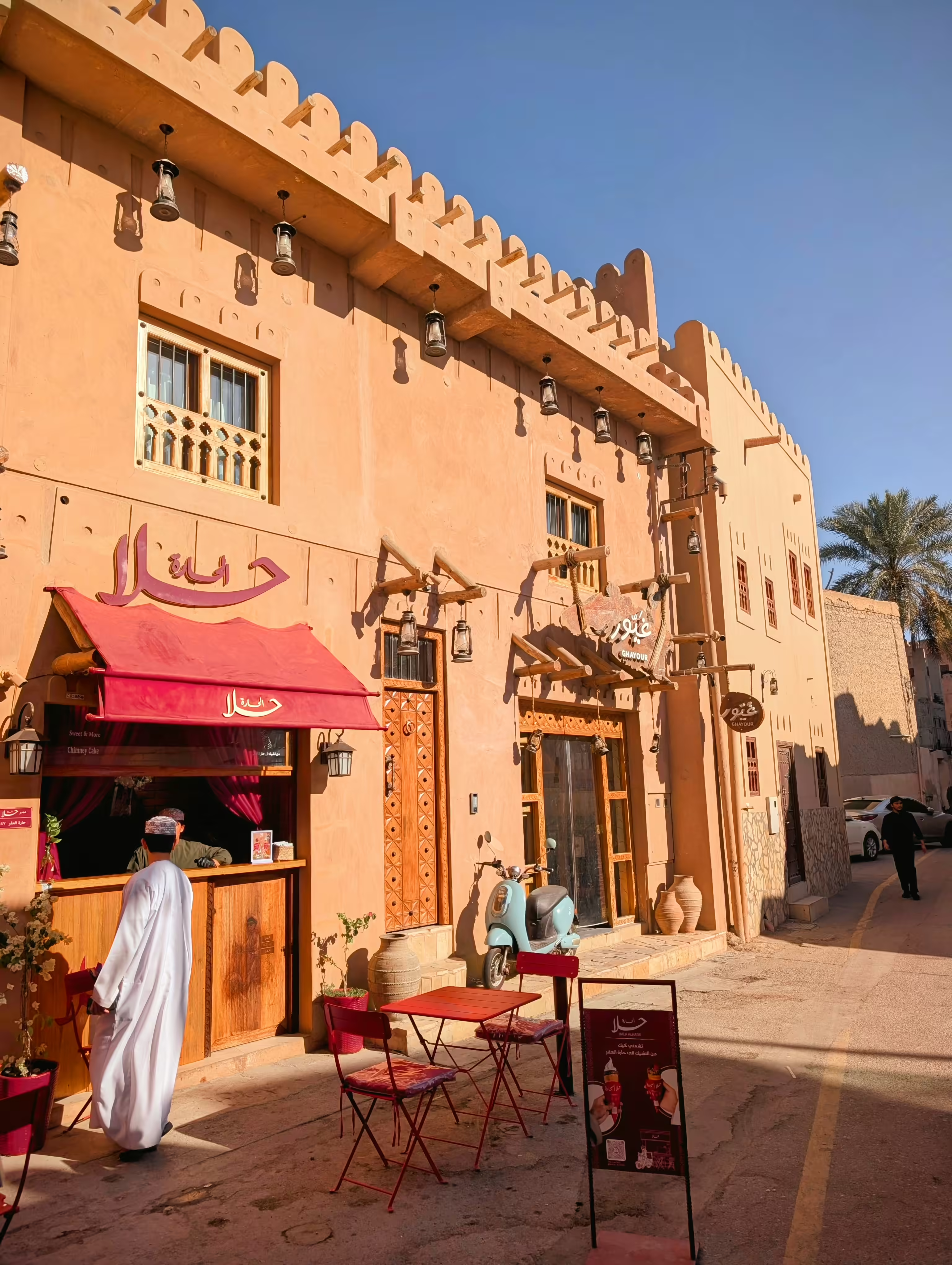
These shots are from central Nizwa old town. Nizwa is widely described as one of Oman's oldest urban centers and served as an important capital in the 6th-7th centuries CE. Nizwa Fort itself is later, built in the mid-17th century, but the city has much deeper roots than the visible walls suggest.
Recent archaeology in Wilayat Nizwa (Tanuf area) points to settlement traces around 5,000 years old, so the region's story is even older than today's old-town core. Nizwa was one of our favorite stops and already has a great atmosphere. At the same time, with stronger reinvestment in restoration, public space, and pedestrian flow, it could be on a completely different level.
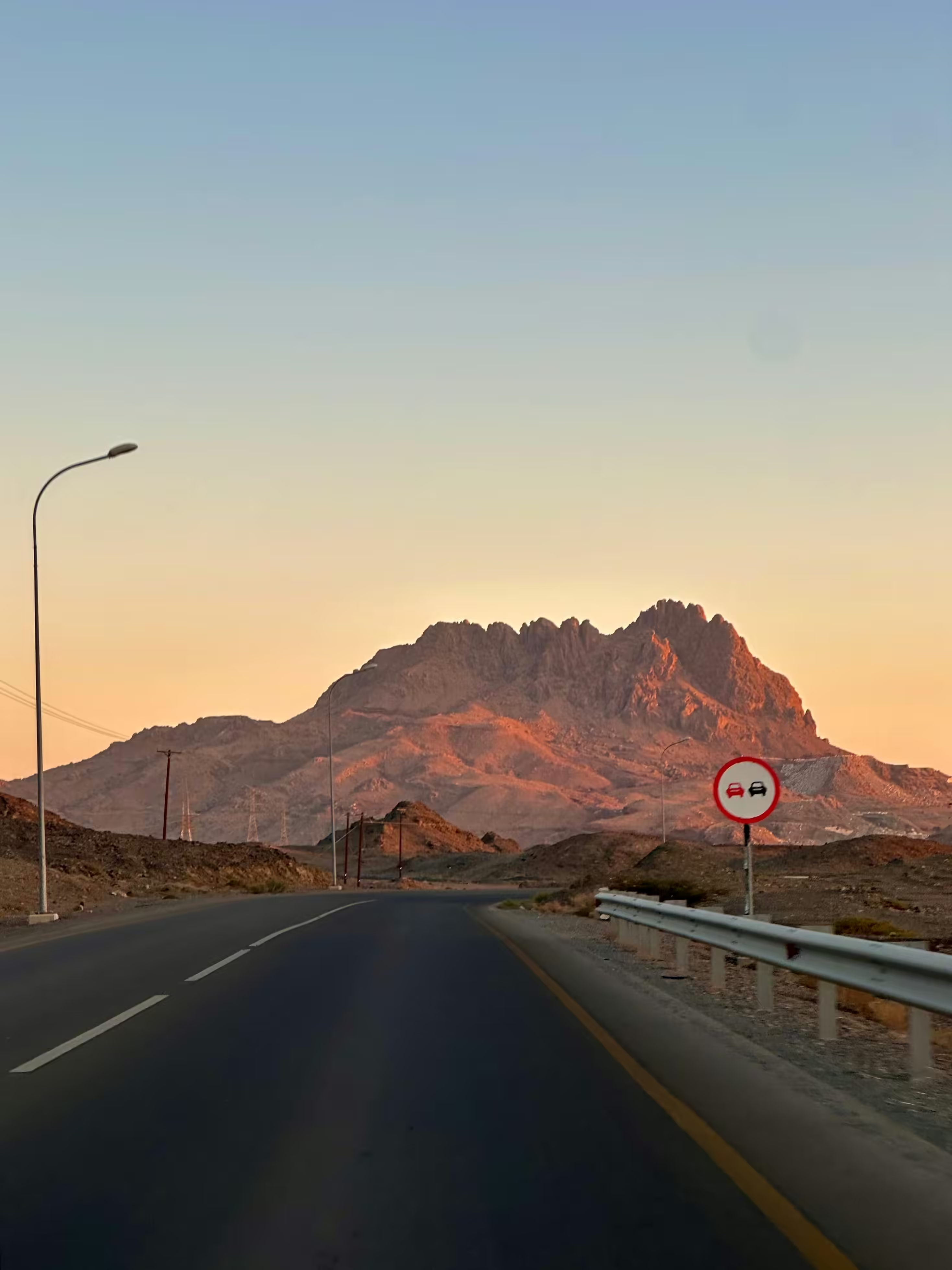
In our case, mileage pressure plus evening plankton loops still meant giving up a few originally planned points (including Wadi this time). Another strong roadside moment was the mountain view at 22°54'22.3"N 57°19'29.4"E, on the route from Bahla toward the highway, especially at sunset when the light hits the ridges. That was the right call: better a coherent route done fully than too many checkpoints done in rush mode.
Bahla Fort at Sunset
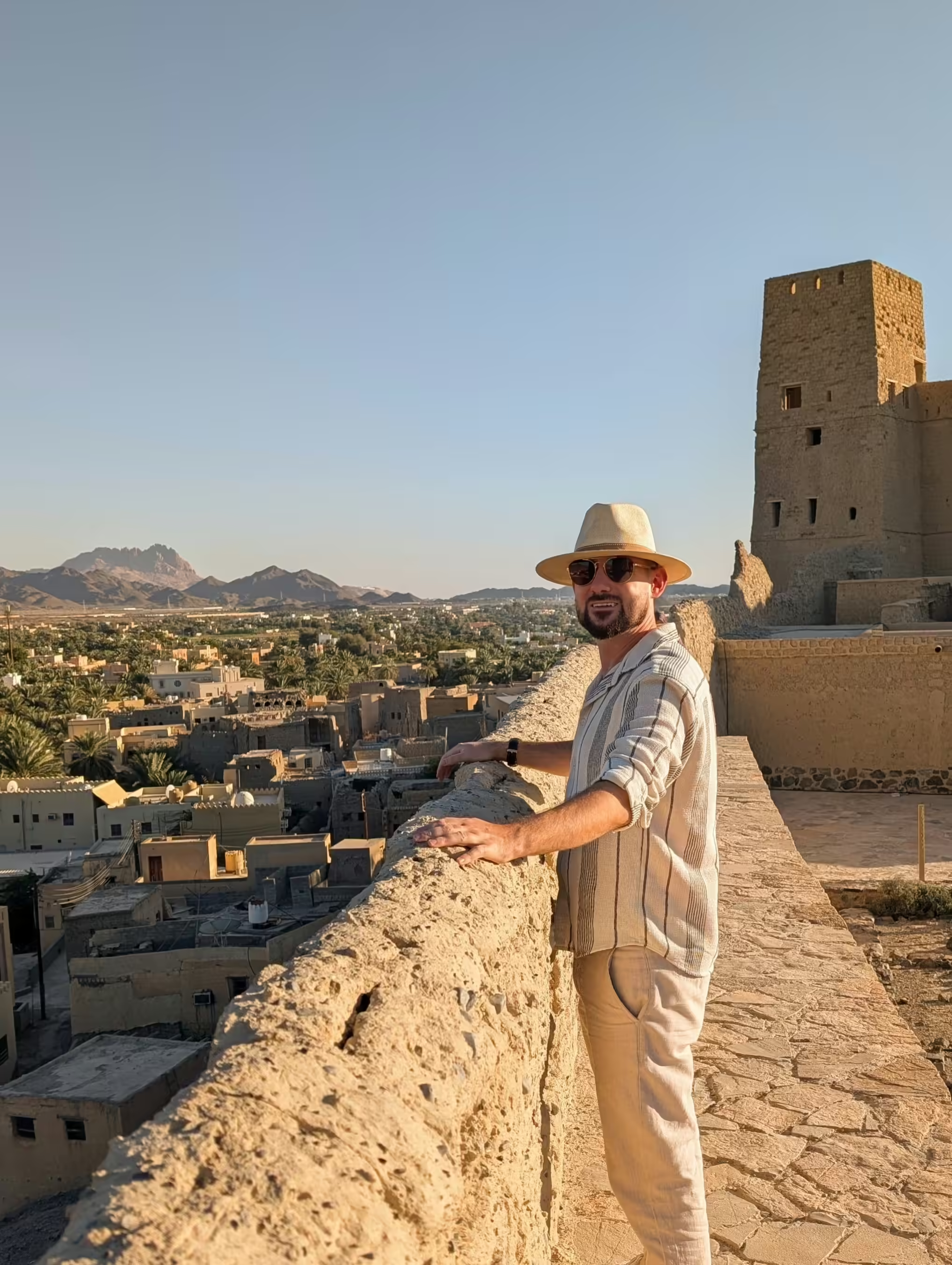
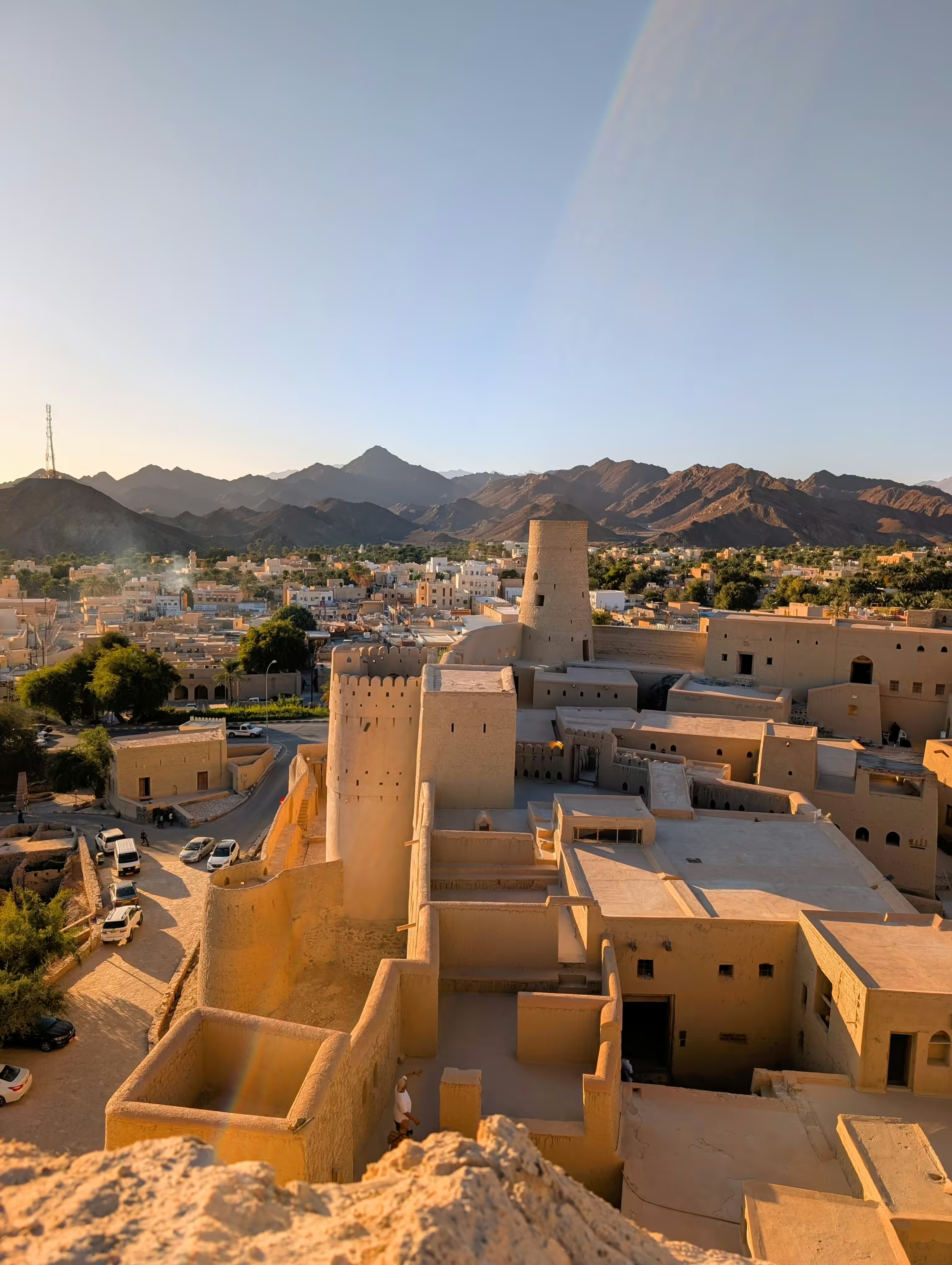
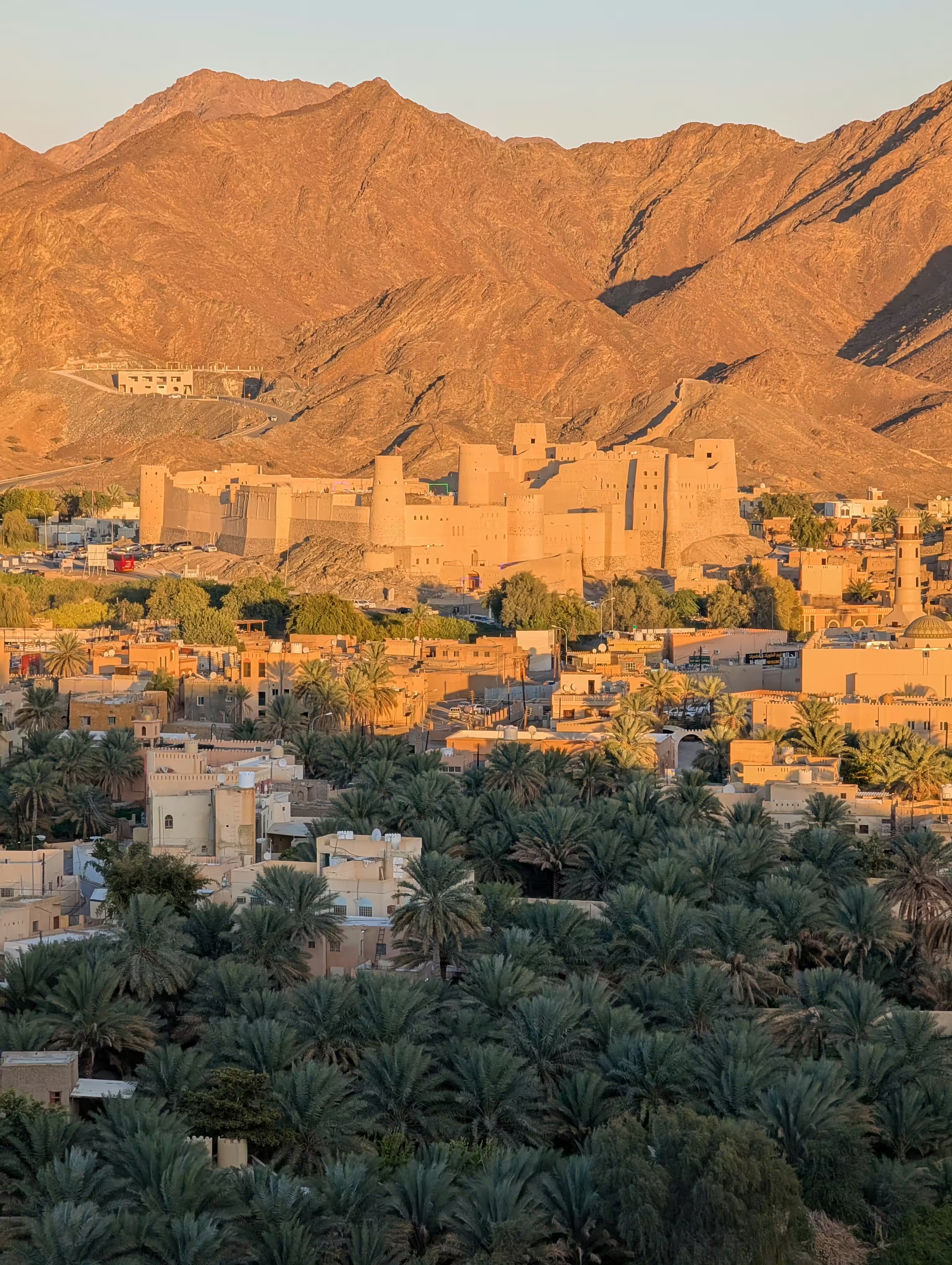
These Bahla photos are from two perspectives: the first two directly on the fort walls, and the third from the official viewpoint called Bahla - Top View (X77V+742). Sunset is the best timing here, because the light turns both the mountains and the fort orange, while the palm belt around the fort adds a strong contrast.
Viewpoint location: Bahla - Top View
Mall of Oman Surprise: Snow in the Desert
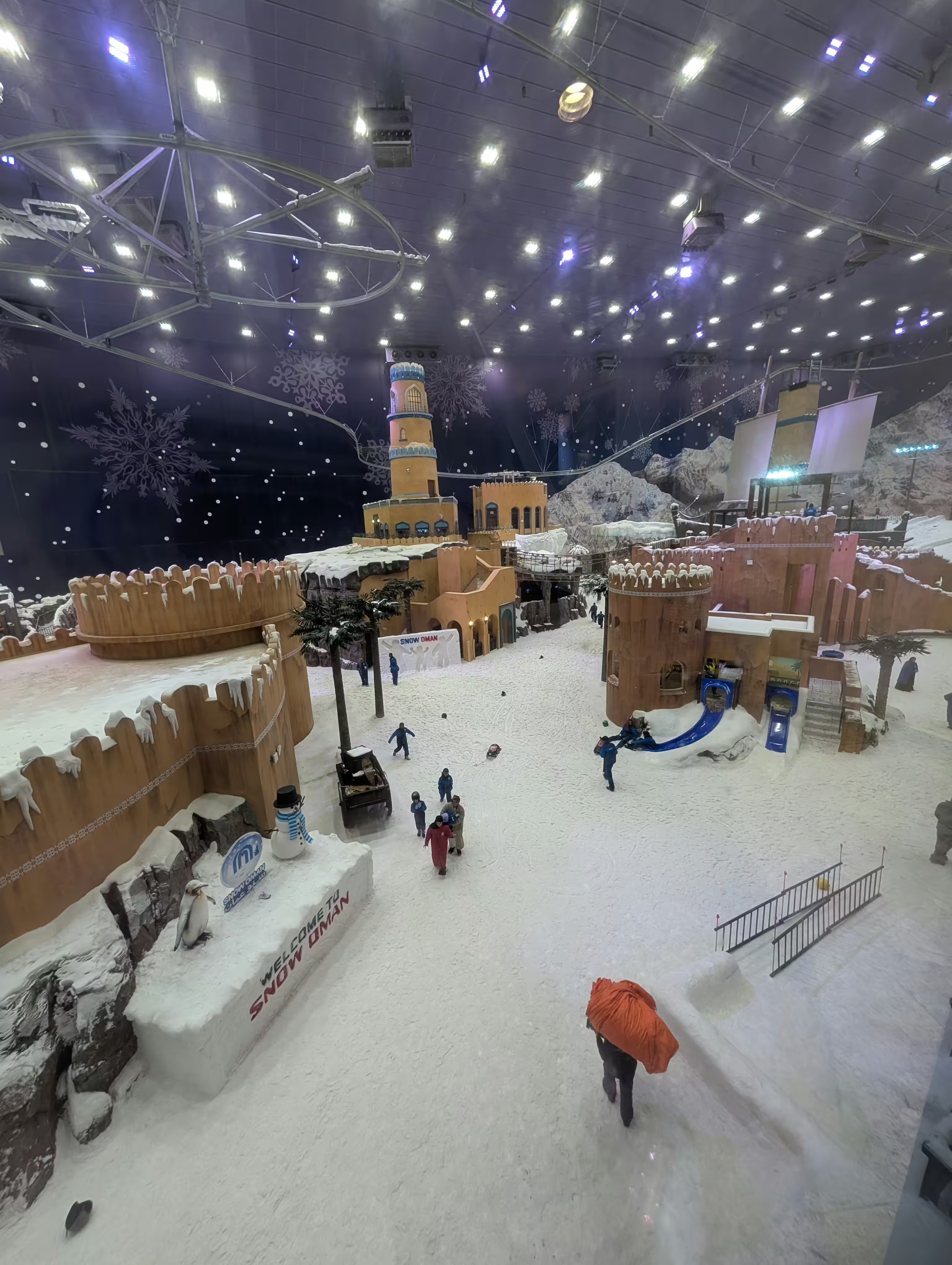
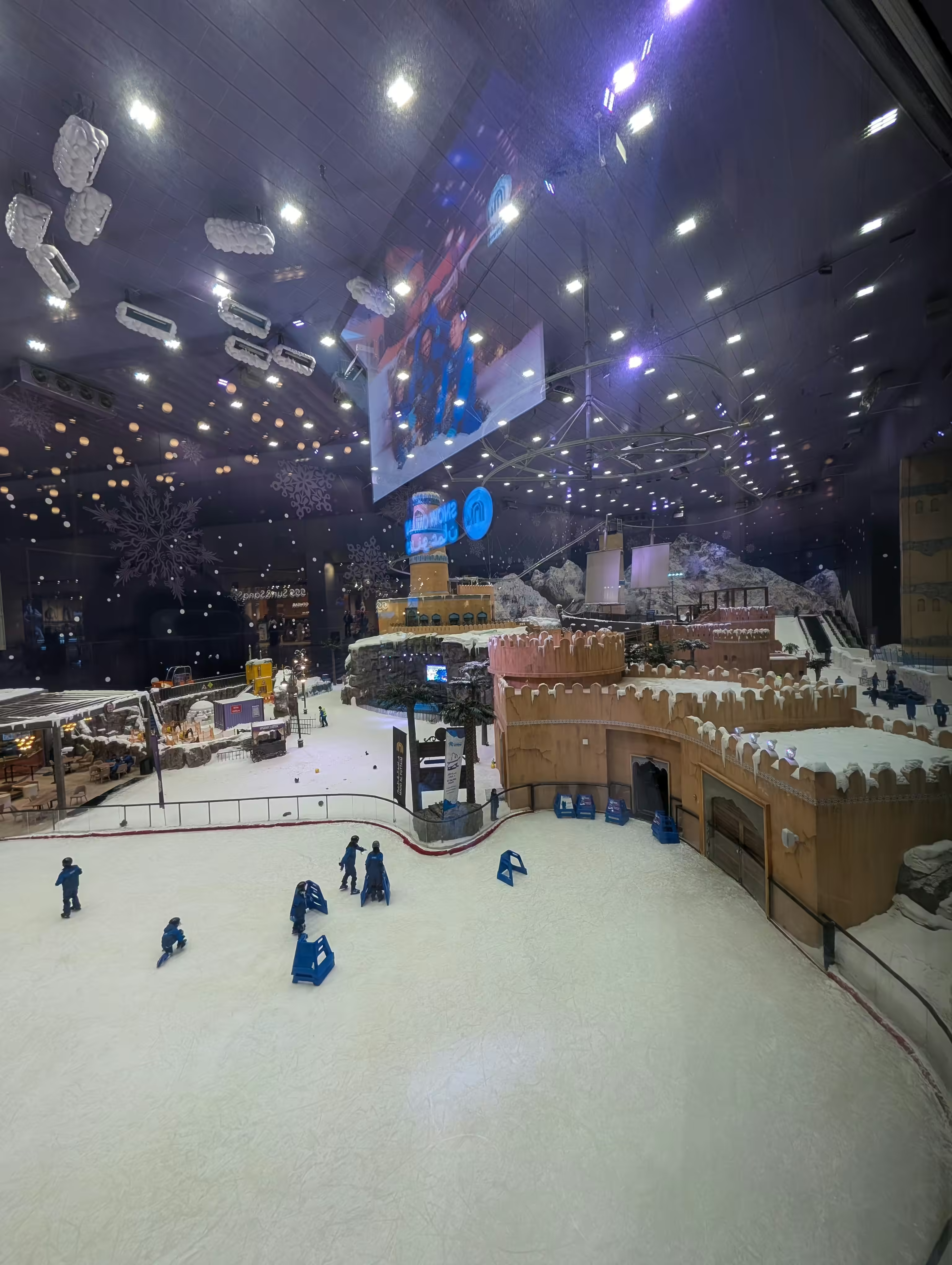
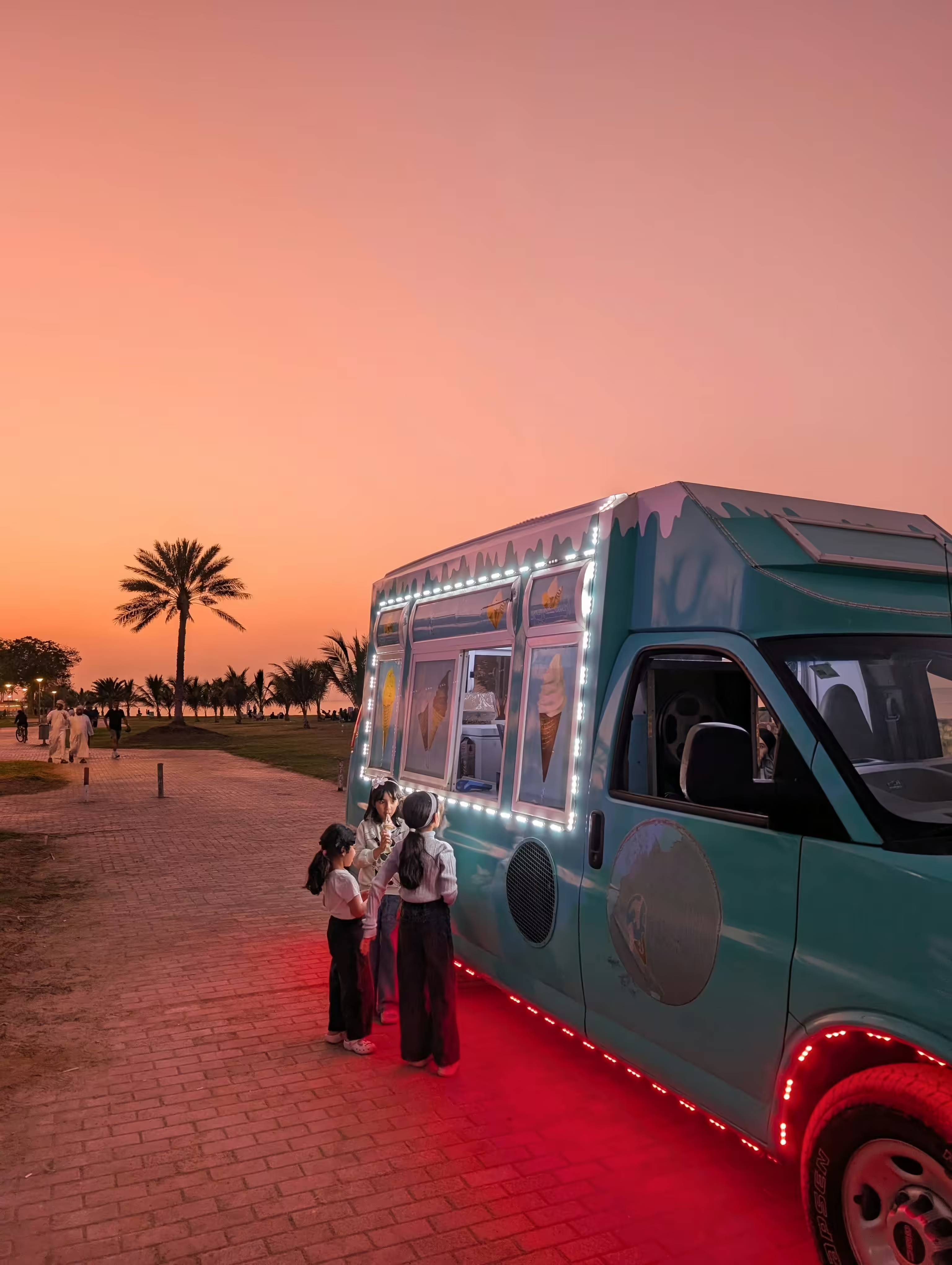
One of the most surreal moments was entering Snow Oman in Mall of Oman after a warm day outside. It is a full indoor snow destination in Muscat, launched with a "Desert Blizzard" concept and promoted as the largest indoor snow park in the MENA region. Seeing winter-style attractions in this climate is a strange but very fun contrast in the middle of a road trip. On the same Muscat stretch, Qurum Beach had a completely different mood at sunset, with local kids lining up at an ice-cream truck.
Food: Easy to Keep It Affordable
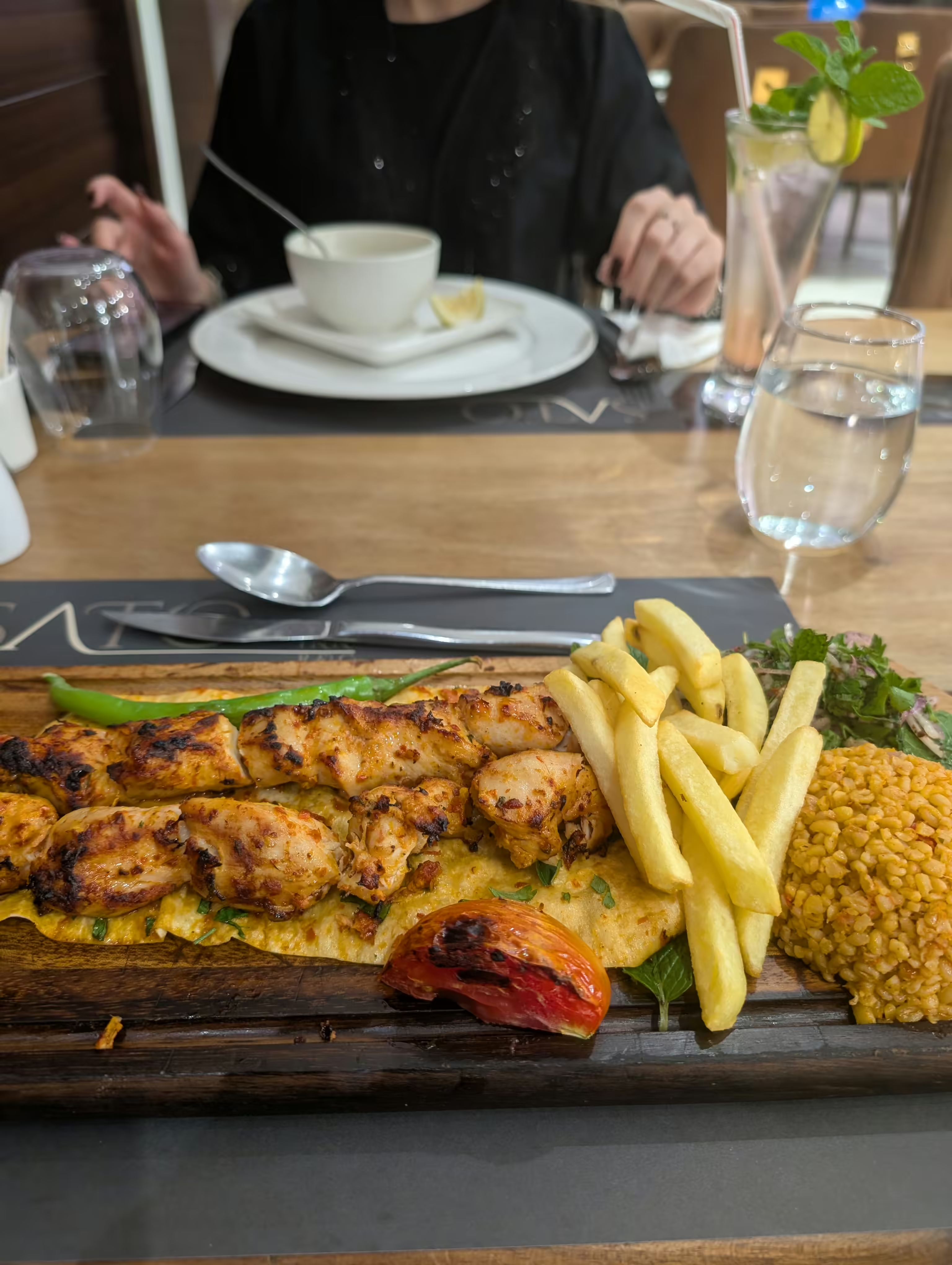
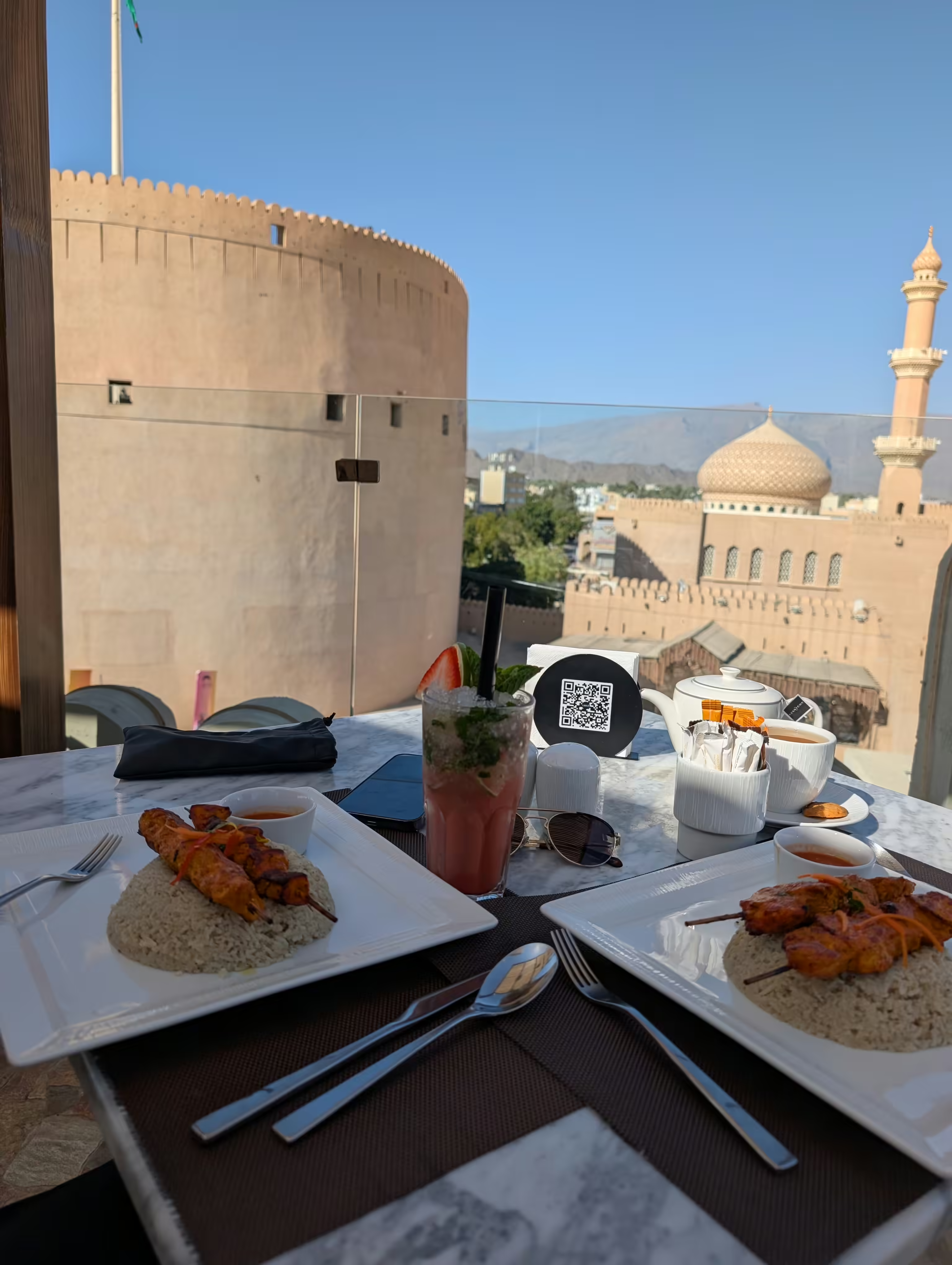
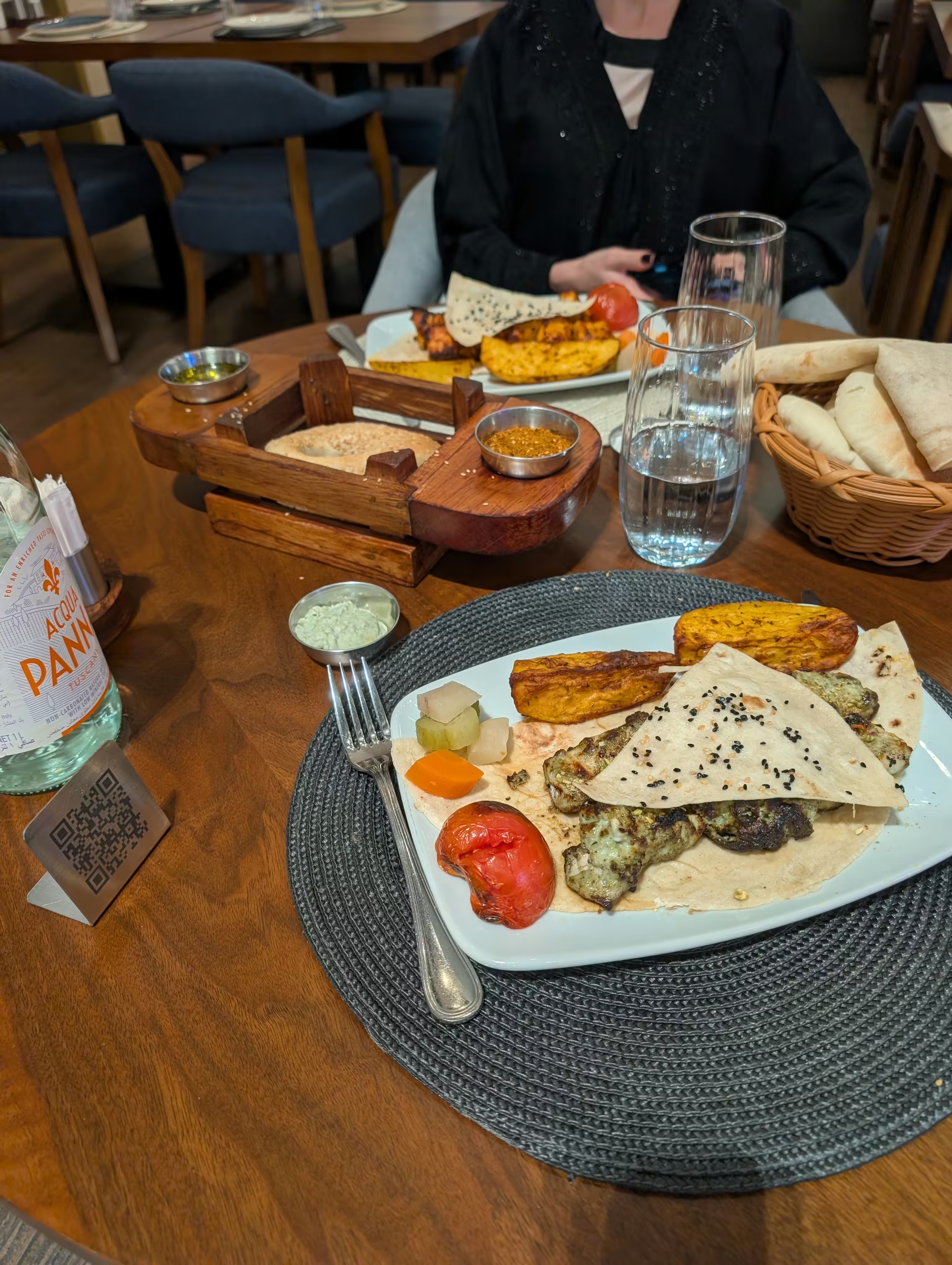
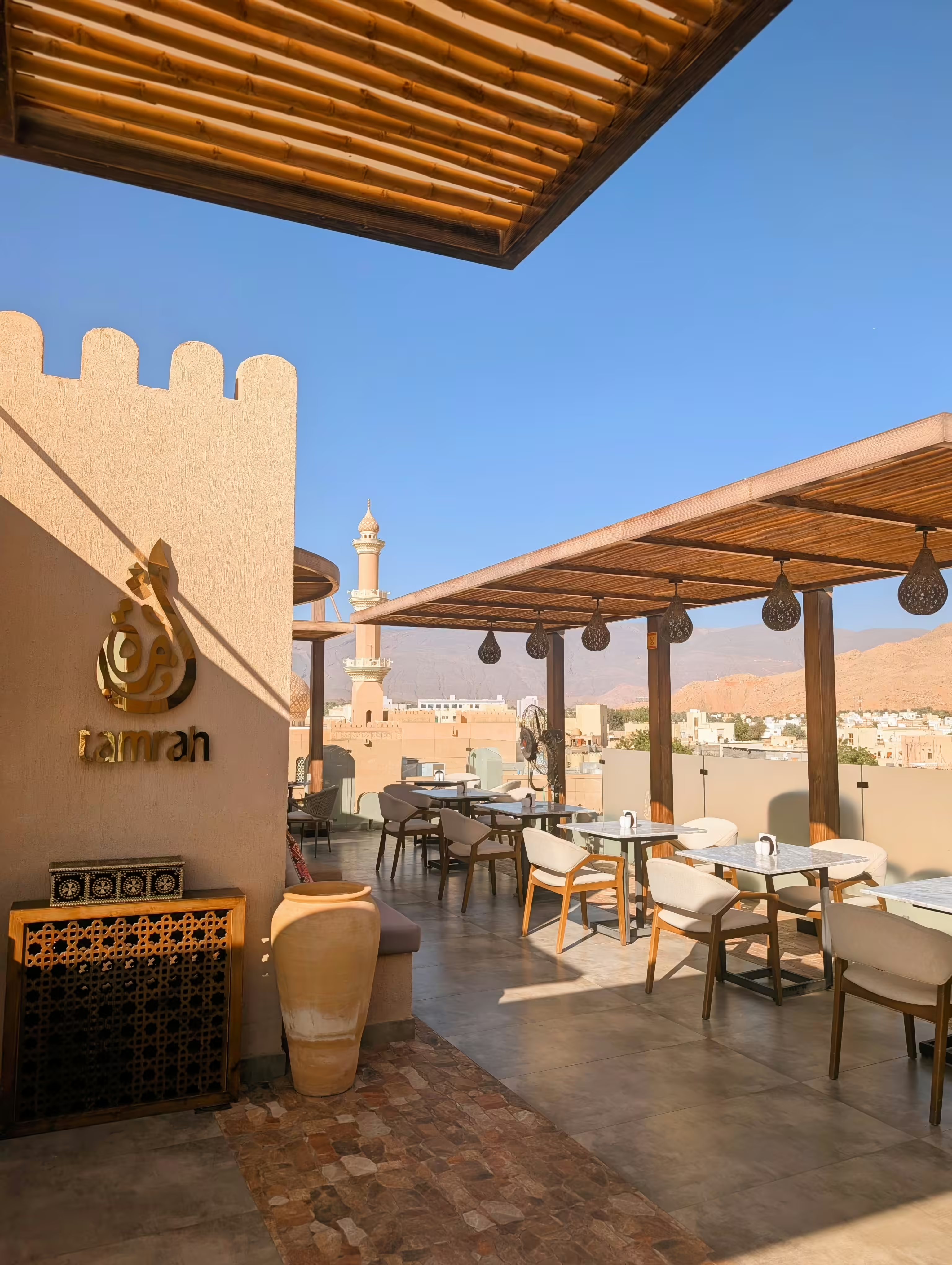
Food was straightforward: in places rated around 4.7-4.9, we could consistently get solid meals with drinks for around EUR 8 (35 PLN) per person. The best-value, genuinely good options were usually separate restaurants inside malls, often with a nice view, but outside the classic fast-food zones like KFC or McDonald's. One exception was our Nizwa place with a fort view (second photo): visually great, but it was the most expensive and weakest meal of the trip. If you eat this way overall, food costs remain predictable without sacrificing quality.
What We Would Improve Next Time
If we repeat this route, we would keep the same trip length but book a car with more included kilometers from the start. That one change would remove most route stress and allow adding Wadi sections without compromising the evening plankton goal.
Second improvement: one dedicated buffer day with minimal driving. Oman roads are good, but distances and spontaneous stops accumulate quickly. A buffer day protects the experience from becoming logistics-heavy.
Final Note
Oman is still a very strong value destination for travelers who plan with intent. Because it is not yet as overcrowded as many nearby hotspots, you can still build a high-quality trip at a reasonable cost, especially with promo flights, practical accommodation, and a realistic driving strategy.